
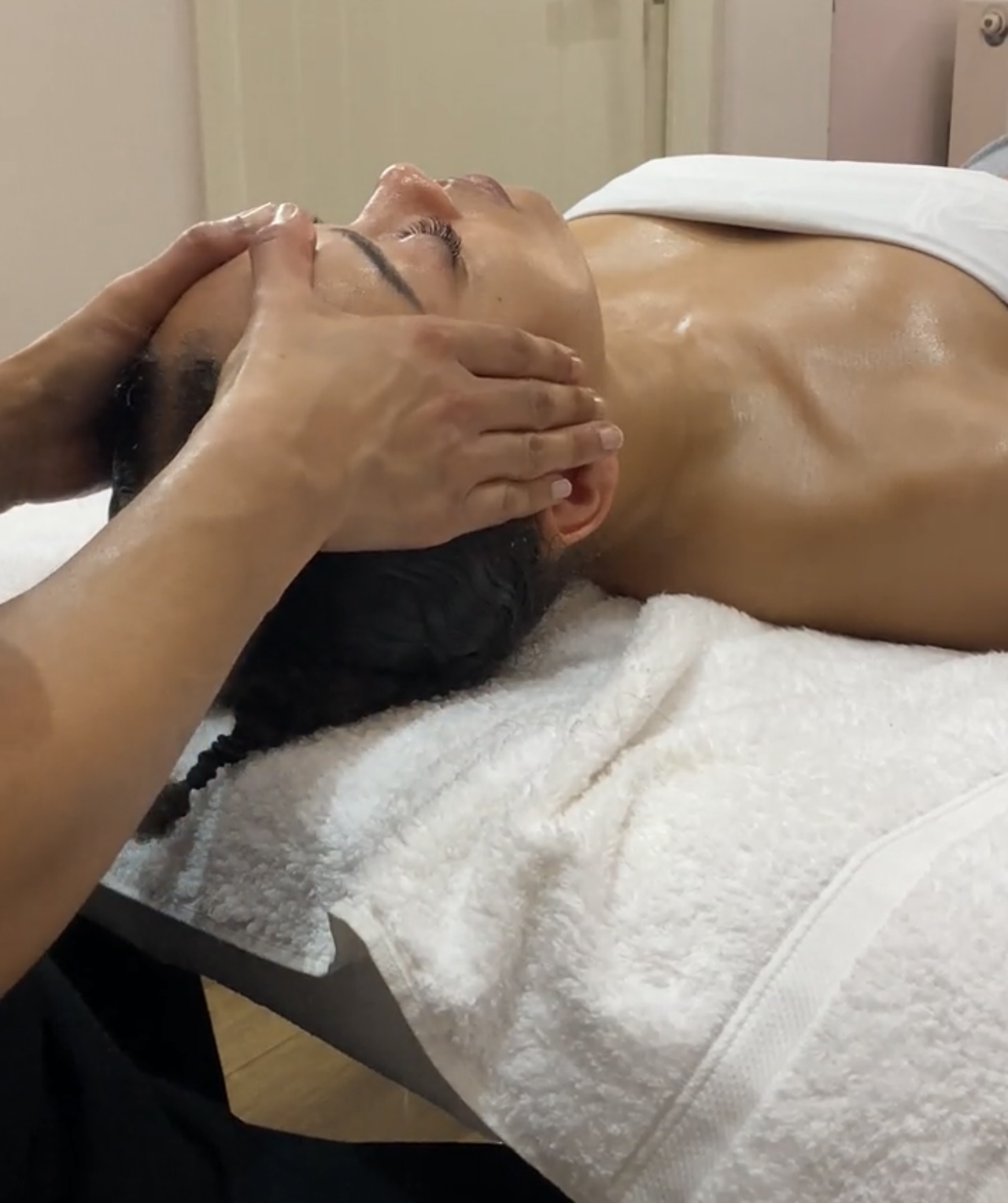
If your skin always feels congested, makeup never sits properly, or those tiny bumps across your forehead and nose keep coming back, you are not alone. Many women invest in good skincare but still feel frustrated because their skin never quite looks clear or bright for long. It is easy to wonder whether having a facial is worth it, or if the results disappear after a few days. So, can a facial actually help with clogged pores, or is it only a temporary fix? What causes clogged pores? Clogged pores happen when oil, dead skin cells, makeup residue and environmental pollutants build up inside the skin. For many women in their 30s, 40s and beyond, factors such as stress, hormonal changes, inconsistent skincare, dehydration and slower skin cell turnover can make congestion more noticeable. Common signs include: Often, home skincare alone struggles to remove this build-up completely. Can a facial really help? Yes, but the type of facial matters. A professional facial does much more than cleanse the surface of the skin. Treatments designed to target congestion use professional products and techniques to deeply cleanse, exfoliate and remove build-up safely. A thorough treatment can: Many clients notice their skin feels smoother, looks clearer and appears more radiant after just one treatment. Why do clogged pores often come back? The reason congestion returns is simple: your skin never stops producing oil and shedding dead skin cells. Think of a facial like seeing a dental hygienist. One appointment helps remove existing build-up, but ongoing care keeps things healthy long term. Lifestyle factors such as stress, hormones, makeup, diet and inconsistent skincare can all contribute to pores becoming blocked again. This does not mean the facial has failed. It simply means your skin needs ongoing maintenance. What do I see in clinic? Many women tell me: “I’ve bought so many products but my skin still feels bumpy.” Very often, they are either over-exfoliating, using products that are not right for their skin, or simply trying to manage deeper congestion at home. Professional treatments combined with simple, personalised skincare advice usually create far more consistent results than constantly changing products. How often should you have a facial for congestion? This depends on your skin, but many clients benefit from: Consistency tends to deliver the best long-term improvements. The bottom line A facial is not a temporary quick fix, but neither is it a one-off cure. Professional treatments help clear existing congestion, improve skin health and support clearer, brighter skin over time. When combined with the right home care and regular maintenance, many clients see lasting improvements in both the look and feel of their skin. If your skin constantly feels congested despite using good skincare, it may be time for professional guidance. Considering a Cleanse & Brighten Facial in Leyton? I’d be happy to assess your skin and help you understand what it really needs.
Why does my skin still look tired even when I’m using good skincare?
Why does my skin still look tired even when I’m using good skincare? Are you investing in good skincare but still feeling like your skin looks tired every time you look in the mirror? It can be frustrating when you’re cleansing, moisturising, and using products that promise results, yet your skin still looks dull, flat, or lacking energy. Many women assume they need stronger products, but that’s not always the answer. The reality is that tired-looking skin is often influenced by factors that skincare alone cannot fully address. Good skincare can’t always fix what’s happening beneath the surface Even the best skincare products work mainly on the surface of the skin. If you’re dealing with stress, poor sleep, dehydration, or a busy lifestyle, these factors can affect how your skin looks regardless of what products you’re using. Many women notice their skin starts looking more tired during periods of high stress. The complexion may appear dull, less vibrant, or more uneven, even when their skincare routine hasn’t changed. As we get older, the skin’s natural renewal process also slows down. Dead skin cells can build up more easily, leaving the skin looking less fresh and radiant than it once did. Why more products don’t always mean better skin When results aren’t appearing, it’s tempting to buy another serum, try a trending ingredient, or add extra steps to your routine. The problem is that too many products can sometimes make it harder to understand what your skin actually needs. Layering multiple active ingredients may leave the skin feeling sensitised rather than healthy and balanced. Many people spend years switching between products, hoping to find the perfect solution. In reality, a simpler routine tailored to your skin concerns is often more effective than constantly chasing new skincare trends. A professional skin assessment can help identify whether your concerns are caused by dehydration, congestion, skin texture, age-related changes, or something else entirely. What professional facials can do alongside your home routine Home skincare and professional treatments often work best together rather than replacing one another. Professional facials provide deeper cleansing and exfoliation than most home products can achieve. This helps remove the build-up of dead skin cells that can leave the complexion looking tired and dull. Treatments can also help clear congestion, remove blackheads, and improve overall skin texture. When the skin is functioning well, products are often able to perform more effectively too. Many clients are surprised to discover that their tired-looking skin isn’t caused by a lack of skincare at all. Sometimes it simply needs the right treatment approach and a clearer understanding of what the skin is asking for. How to help your skin look fresher and more rested Healthy-looking skin doesn’t usually come from having the most expensive products or the longest routine. Consistent habits such as cleansing properly (for at least 30-60 seconds), protecting your skin from the sun (using SPF and hats), drinking enough water, and prioritising sleep all play an important role. Small daily actions often have a bigger impact than people realise. It’s also worth paying attention to how your skin changes over time. What worked five years ago may no longer be giving your skin what it needs today. If your skin continues to look tired despite your efforts, seeking professional advice can help you stop guessing and start focusing on the factors that are actually affecting your complexion. Conclusion If your skin still looks tired even though you’re using good skincare, the issue may not be your products at all. Factors such as stress, dehydration, congestion, and natural skin changes often play a bigger role than people realise. If you’re based in East London, booking a skin consultation or Cleanse & Brighten Facial can help uncover what’s making your skin look tired and create a simple plan that works for your skin and lifestyle. Click here to book a skin consultation

Look after your skin and stay sun-safe this Summer:
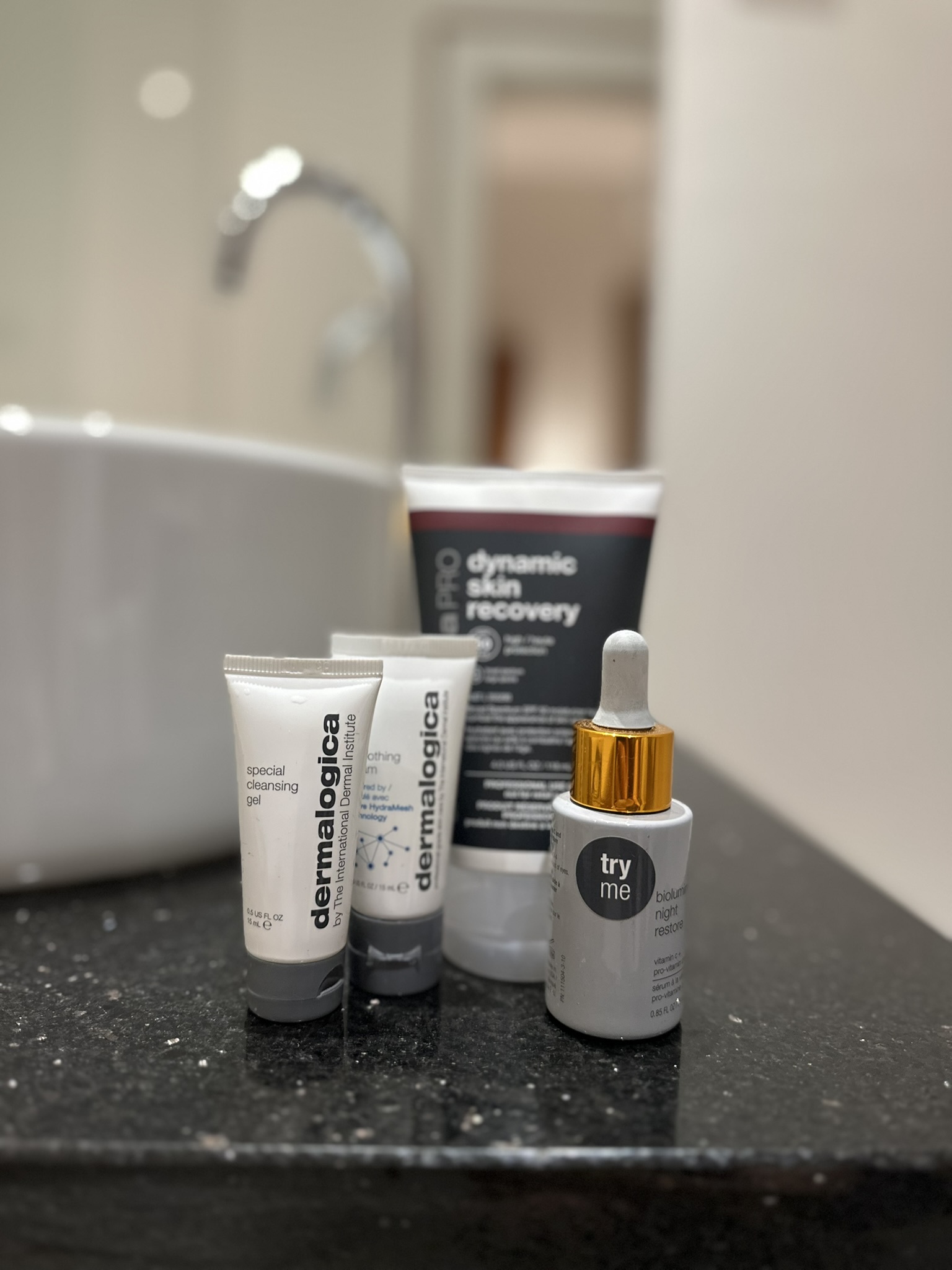
Summer is a time for sunshine, but with all that extra time outdoors comes an increased need to protect your skin. Sun exposure may feel good in the moment, but it can cause long-term damage if you’re not careful. Repeated sun exposure without protection speeds up skin aging and significantly increases your risk of developing skin cancer, including melanoma—the deadliest form. According to dermatologists, consistent use of sunscreen is one of the most effective ways to reduce your lifetime risk. Even when you’re not sunbathing, activities like walking the dog, driving, or sitting by a window expose your skin to UV rays. So make sun protection a daily habit. Protecting your skin with the right sunscreen helps: Understanding the types of UV radiation and how to choose the right sunscreen is the first step toward keeping your skin healthy and glowing. UVA and UVB rays: what’s the difference? The sun emits two types of ultraviolet (UV) rays that affect the skin: Both UVA and UVB rays can damage your skin’s DNA, leading to aging, sunburn, and increased cancer risk. That’s why consistent sun protection is essential—even on cloudy days or when you’re indoors near windows. Choosing the right sunscreen Here’s what to look for when selecting a sunscreen this summer: 1. Broad-Spectrum Protection – choose a broad-spectrum sunscreen to ensure protection from both UVA and UVB rays. If it’s not labelled broad-spectrum, it’s not offering complete defence. 2. SPF 30 or Higher – SPF (Sun Protection Factor) refers to protection against UVB rays. An SPF of 30 blocks about 97% of UVB radiation. While higher SPFs offer marginally more protection, SPF 30 or above is the minimum recommended, especially during extended sun exposure. 3. Physical (Mineral) Sunscreens – physical sunscreens – also known as mineral sunscreens—use natural active ingredients like zinc oxide or titanium dioxide. These work by reflecting UV rays off the skin rather than absorbing them like chemical sunscreens. Mineral sunscreens are: great for sensitive or acne-prone skin, effective immediately upon application, less likely to cause irritation or allergic reactions How to apply for maximum protection Final thoughts Enjoy the summer sun, but do it safely. With the right sunscreen—broad-spectrum, SPF 30 or higher, and preferably mineral-based—you can protect your skin from the harmful effects of UVA and UVB rays. Prevention today means healthier, more youthful skin tomorrow. Dermalogica sunscreen recommendation.Dynamic Skin Recovery Spf50 Moisturiser – hydrating, firming age defense – skin type, Hydrates, Reduces signs of skin ageing, Evens skin tone and dark spots.Biolumin-c heat aging protector spf50 – turn down heat ageing, turn up radiance, great for all skin types. Clearing Defense spf30 – Shine-reducing SPF moisturiser helps protect breakout-prone skin from environmental stress. Ideal for Oily/acne prone skin.Powerbright Moisturizer SPF 50 – dark spot defence, ideal for skin with hyperpigmentation.Prisma Protect Spf30 Moisturiser – light-activated skin defense. Ideal for Oily/acne prone skin. Invisible Physical Defense Mineral Sunscreen Spf30 – weightless physical sunscreen. Ideal for all skin types. All Dermalogica SPF are available at Saiqs. If you would like help in finding the right SPF then book a skin consultation with Saiqa via our booking link

Keeping your skin hydrated during Ramadan
During Ramadan, it’s important to maintain a skincare routine that focuses on hydration, calming, and using gentle products. Here are some tips to keep your skin healthy and glowing: Hydration: Drink plenty of water during Suhoor and Iftar to stay hydrated. This helps maintain your skin’s moisture levels throughout the day. Avoid drinks which contain a lot of processed sugar Use a hydrating moisturiser with ingredients like hyaluronic acid, ceremides or glycerin after cleansing to lock in moisture. We love the Dermalogica Calm Water Gel and also the Circular Hydration Serum Calming Skincare: Avoid strong exfoliators or strong active ingredients (like retinol or AHAs) during the day, as fasting can make the skin more sensitive. Opt for gentle cleansers, soothing masks, and calming ingredients like aloe vera, chamomile, or calendula. Less Actives: Reduce the use of potent actives like Vitamin C, retinol, or benzoyl peroxide during Ramadan to prevent irritation, due to the lack of water and food for many hours which can lead to the skin feeling drier. Stay Away from Oily & Sugary Foods: Oily and sugary foods can trigger breakouts and inflammation, so aim for a balanced diet with plenty of fruits, vegetables, and healthy fats. Focus on eating foods that are rich in antioxidants, like berries, nuts, and leafy greens, to support your skin from the inside out. Rest and Sleep: Adequate sleep is essential during Ramadan to allow your skin to repair and rejuvenate. Lack of sleep can lead to dull skin and dark circles. I know this is probably the hardest step to do as needing to wake before sunrise can disturb the sleep pattern. Sun Protection: Apply sunscreen when going out during the day to protect your skin from UV damage. Opt for a gentle, non-comedogenic sunscreen. this is actually an all year around tip – sun rays are the biggest cause of skin ageing. These tips should help keep your skin healthy, hydrated, and calm throughout the month of Ramadan.